
Closing the gap between psychological and medical care
What do people do when they experience any condition that impacts their brain health and function? Such conditions can arise from neurological disease, injury, stress, or life-saving medical treatment. And can we do something about it? The answer is always a resounding ‘YES’.
In my experience, the most detrimental condition for a person in a vulnerable position is experiencing a lack social and professional support. Social support here means more than empathy—it includes accessible, evidence-based expertise, interventions, and guidance, ideally supported by the social system.
Fortunately, much support exists when guided by science. “Brain therapy” is a broad term encompassing multiple professional domains, yet all share a focus on conditions that affect brain function—whether memory, reasoning, attention, or other cognitive abilities. A truly holistic approach goes beyond the brain itself, addressing the whole person: emotional well-being, psychological resilience, and daily functioning. By integrating cognitive, psychological, and functional care, brain therapy can support not only recovery and compensation for cognitive challenges but also the restoration of independence and confidence in everyday life. It can decrease your independence and quality of life, and thereby impact your mental health and emotional well-being.
Natural interventions, including brain therapy, can help optimize recovery, ease the journey, and maintain independence for as long as possible, especially when conditions are progressive, such as dementia. You can explore more about dementia and normal ageing through the embedded resources.
For example, dementia is a progressive disease that affects a person’s brain and interferes with reasoning and memory. You can read more about what is dementia or whether dementia is a normal part of ageing by clicking on the embedded links.
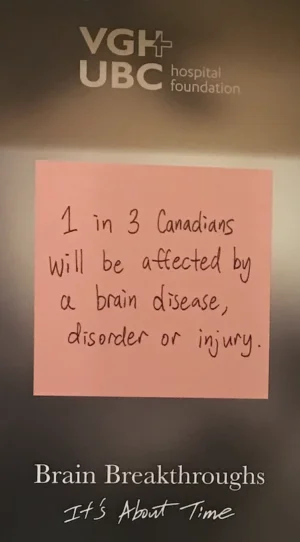
More broadly, research shows that one in three Canadians will be affected by a brain disease, disorder, or injury at some point in their lives (Vancouver Foundation, Vancouver General Hospital)., and you can read about their efforts here.
As we age, the likelihood of experiencing medical conditions that impact brain function increases. Medical care and rehabilitation are often the first line of support, but the journey does not end when discharge occurs.
Many individuals find that the effects of a brain condition—whether from stroke, injury, disease, surgery, or medical treatments such as chemotherapy—continue to influence daily life, emotional well-being, and overall independence long after formal care ends.
This is where a holistic brain therapy approach becomes essential. I work with clients of all ages who have benefited from medical treatment but face challenges in finding ongoing support for cognitive, emotional, and functional recovery. For those navigating worries about potential or actual dementia, or seeking to regain independence after injury, integrating psychological care with cognitive rehabilitation is key. Together, we focus not only on restoring cognitive skills but also on building resilience, coping strategies, and confidence to engage fully in daily life.
The Science Behind Brain Therapy
Two core principles guide my approach: neuroplasticity and cognitive reserve. Neuroplasticity is the brain’s remarkable ability to reorganize and adapt in response to experience or environmental demands, a principle applied in both rehabilitation and ageing care. Cognitive reserve refers to the brain’s capacity to develop alternative strategies and compensatory pathways, helping individuals maintain function despite age-related changes or neurological damage. This combination supports both recovery and long-term adaptation, allowing people to preserve independence and quality of life. Thus, a person can function successfully despite brain pathology (eg., disease processes in an ageing brain that could lead to the expression of dementia symptoms, but do not always do so as shown in the famous nun studies by Dr. Snowden). If you would like to read more on brain therapy for ageing, you can read it here (coming soon).
Integrating Science Into Personalized Care

Dr. Heike’s to brain therapy combines neuroscience, neuropsychology, rehabilitation, and clinical psychology into a person-centered, evidence-based framework. Through this integration, Dr. Heike translates scientific knowledge into practical strategies tailored to each client’s life. This includes interventions to strengthen cognitive function, emotional support to manage stress or anxiety, and guidance on routines and environmental adaptations that enhance independence. You can read more about Dr. Heike’s education.
Together, we identify the most effective strategies to move forward, what information is most useful, and how to strengthen your capacity to thrive. The goal is not just recovery—it’s supporting autonomy, emotional well-being, and quality of life at every stage of the journey.
For more on the services I provide, including resources for aging, brain injury, and brain health, please see my Services page or explore the linked resources below.
If you would like to set up a 15-20 minute free Telehealth Consultation, you could contact Dr. Dr. Heike at mindyourbrain1@gmail.com, or schedule it here.
 Cognitive aging/ cognitive health