

Recognizing When Cognitive Changes May Need Support
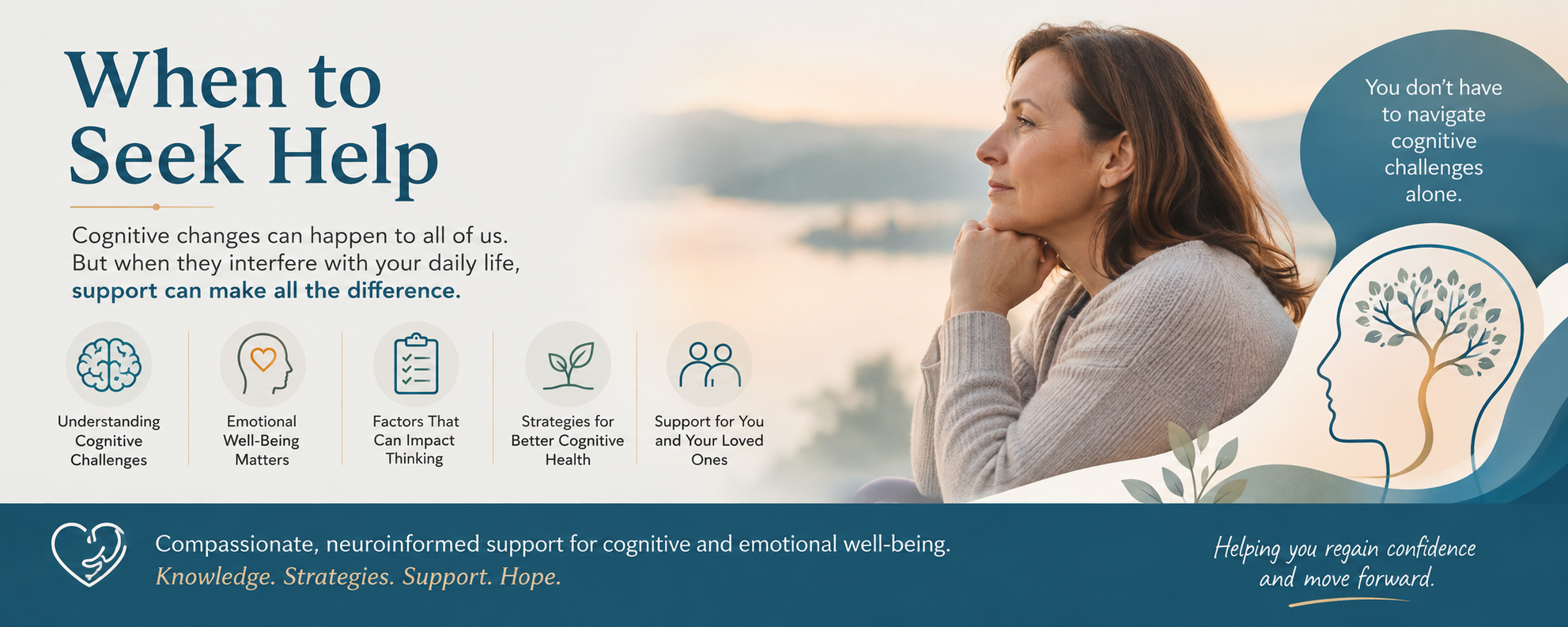
Everyone has experienced cognitive lapses such as decreased ability to concentrate or absorb information efficiently. These and other cognitive difficulties (e.g. difficulties with concentrating, remembering information, problem-solving, slowed thinking speed) oftentimes result from temporary changes and are part of everyday functioning. In short, just like our mood, our thinking ability will fluctuate throughout the day, week, and as we age, usually imperceptibly (we don’t necessarily notice the change). Just as our mood is not always the same (it fluctuates throughout the day and from day to day), so can our level of cognitive functioning show fluctuations. Temporary factors that can impact cognitive functioning include decreased sleep, fatigue, low blood sugar, changes in dietary intake, emotional upheaval (positive or negative), and pain (non-exhaustive list). These temporary factors can usually be easily taken care of, and thus will not interfere with your daily life and your overall quality of life.
Other factors that can impact cognitive functioning include acquired brain injury, learning disability, and changes due to experiencing an aging disease (e.g. Alzheimer’s Disease). Notwithstanding, cognitive functioning can be improved (and with it emotional well-being) by learning to utilize strategies effectively and understanding how different factors impact your cognitive functioning.
When to seek help:
When cognitive difficulties interfere with your ability to function successfully in everyday life, e.g. at home, work, school, and/ or social activities, these difficulties can express themselves in anxiety and, potentially, depression. Similarly, feeling overwhelmed by a set task or deadline can create anxiety. If cognitive challenges are the reasons for changes in your emotional well-being, then addressing cognitive difficulties (in addition to the emotional consequences) is an important part of the therapeutic process to allow you to regain your footing in life.
Where Brain & Cognitive Health Meet Emotional & Psychological Well-Being

Mind Your Brain can help you make sense of changes in how you think, feel, and function, and develop strategies tailored to your needs. Whether cognitive difficulties arise from everyday factors, injury, illness, or other changes, understanding what is happening and learning effective strategies can help you regain confidence, well-being, and independence.
You can read here about Heike’s therapeutic care approach and how Heike supports people with questions about cognitive difficulties and cognitive health, or who experience cognitive and psychological challenges due to acquired brain injury, physical injury, cancer treatment, or caregiver services.
Summary
-
Service TypeLearning when to seek help
-
Provider NameMind your Brain
400-601 West Broadway, BC-V5C 4C2, Telephone No. 1 - 604 - 802 - 7291 -
AreaBritish Columbia incl Greater Vancouver, and Yukon
-
DescriptionTherapeutic Care for Cognitive & Psychological Challenges
-
Publisher Logo
 Cognitive aging/ cognitive health